
How to Choose Flower Arrangements in Birmingham for Different Occasions
Flowers can add colour, character, and a welcoming atmosphere to almost any occasion. From weddings and birthdays to corporate gatherings and seasonal celebrations, the right floral arrangement can help complement the setting and reflect the purpose of an event. However, choosing between different flower types, colours, sizes, and styles can sometimes feel overwhelming.
When exploring flower arrangements in Birmingham, it helps to consider the occasion, venue, colour scheme, season, and overall atmosphere you want to create. Understanding these factors makes it easier to select arrangements that suit both the event and the space.
Consider the Occasion First
The type of occasion is one of the most important factors when selecting flowers. Different events often call for different floral styles, colours, and arrangements.
Weddings and Engagements
Weddings often feature flowers throughout the venue, including bouquets, table arrangements, ceremony displays, and entrance decorations. Romantic and elegant styles are commonly suitable for these occasions.
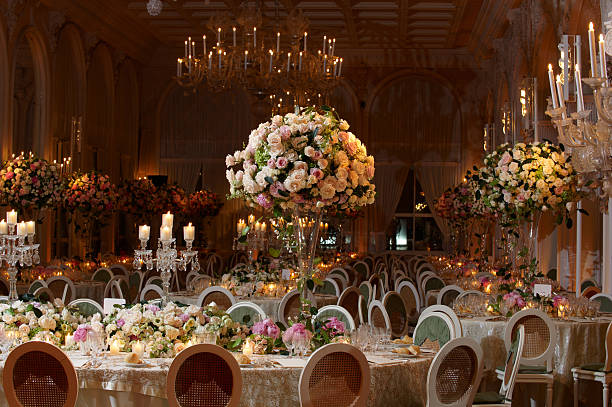
Soft colours such as white, cream, blush, pastel pink, and light blue can create a refined appearance. Larger arrangements may work well as focal points, while smaller designs can complement tables and other areas without overwhelming the venue.
For engagement celebrations, arrangements can be slightly more relaxed while still coordinating with the event’s colour palette.
Birthdays and Celebrations
Birthday celebrations provide greater freedom when choosing flowers. Bright colours and varied arrangements can create a cheerful and energetic atmosphere.
Consider colours that complement the person’s preferences or the party theme. Compact table arrangements can work well for smaller gatherings, while larger displays may create an attractive focal point for larger celebrations.
See also: How Fire and Safety Compliance Protects People and Property
Corporate Events
Corporate events often benefit from polished and professional floral designs. Flowers may be used at reception areas, conference tables, exhibition spaces, dining areas, or presentation stages.
Neutral colours and structured arrangements can provide an organised appearance. The arrangement should complement the surroundings without becoming a distraction.
Sympathy and Memorial Occasions
Flowers used for sympathy and memorial occasions generally have a more understated appearance. White, cream, soft pink, and other gentle shades can create a calm and respectful atmosphere.
The size and style of the arrangement should suit the setting. Simple bouquets, wreaths, and carefully arranged displays can communicate thoughtfulness while maintaining an appropriate tone.
Choose Flowers Based on the Venue
The venue plays a major role in determining the most suitable floral arrangement. A design that looks appropriate in a large hall may appear too large in a small room.
Small Indoor Spaces
For smaller venues, compact arrangements can help maintain an open and comfortable atmosphere. Tabletop displays, small vases, and modest floral accents can introduce colour without taking up excessive space.
Consider the height of the arrangement as well. Very tall flowers may obstruct views across dining tables or meeting areas.
Large Event Venues
Large venues often require bigger arrangements to create visual impact. Tall displays, substantial centrepieces, and entrance arrangements can help fill open spaces.
However, scale should still be balanced with the surrounding décor. The flowers should enhance the venue rather than compete with architectural features or event decorations.
Outdoor Settings
Outdoor events require consideration of weather, temperature, wind, and sunlight. Flower choices should be suitable for the conditions in which they will be displayed.
Stable containers and appropriately positioned arrangements can help prevent flowers from being disturbed. Seasonal flowers may also work particularly well with outdoor themes.
Match Flowers With the Colour Scheme
Colour is one of the easiest ways to make floral arrangements feel coordinated with an event.
Use Complementary Colours
Choose flowers that work naturally with the existing décor. If the venue features neutral colours, flowers can provide a stronger accent. If the surroundings already contain bold colours, softer floral shades may create better balance.
A simple colour palette can also make an arrangement appear more cohesive. Two or three complementary shades can often create a polished look without becoming visually complicated.
Consider the Mood
Different colours can contribute to different atmospheres. Bright shades may create an energetic and celebratory feel, while softer tones can provide a calm and elegant appearance.
White and cream flowers can suit formal occasions, while pinks, yellows, oranges, and purples can add warmth and vibrancy to social celebrations.
Think About the Season
Seasonality can influence both the appearance and suitability of flowers.
Spring Flower Arrangements
Spring is associated with fresh, light colours and delicate floral styles. Pastel shades can work particularly well for weddings, afternoon gatherings, and spring celebrations.
Summer Flower Arrangements
Summer provides opportunities for brighter colours and vibrant displays. Bold combinations can complement outdoor events, parties, and festive occasions.
Autumn Flower Arrangements
Warm shades such as orange, burgundy, yellow, cream, and deep red can reflect the character of autumn. These colours can work well in both residential and event settings.
Winter Flower Arrangements
Winter arrangements can use white, cream, deep red, green, and other rich or neutral shades. Elegant arrangements can suit formal gatherings and seasonal celebrations.
Select the Right Arrangement Style
Flowers can be presented in many different forms, so consider how the arrangement will be used.
Bouquets
Bouquets are versatile and can be used for gifts, personal celebrations, weddings, and decorative purposes. Their portable design makes them suitable when flowers need to be presented directly to someone.
Centrepieces
Centrepieces are designed specifically for tables. They should be appropriately sized so that guests can comfortably interact without the flowers obstructing their view.
Low arrangements are particularly practical for dining tables, while taller designs can be suitable for spaces where visibility is less important.
Wreaths
Wreaths can be used for memorial occasions, seasonal decorations, entrances, and certain celebrations. Their circular shape creates a distinctive decorative feature.
Floral Displays
Larger floral displays can create focal points around entrances, stages, reception areas, and event backdrops. They are particularly useful when the goal is to make a noticeable visual statement.
Consider the Size and Placement
The size of a floral arrangement should correspond with the space available. An arrangement that is too large may make a room feel crowded, while one that is too small may not have enough visual presence.
Before selecting flowers, consider where they will be placed. Measure available surfaces where necessary and think about how people will move around the area.
For example, arrangements placed near walkways should not obstruct movement. Table arrangements should allow people to see and communicate comfortably.
Think About Maintenance Requirements
Different flowers and arrangements require different levels of care. Fresh flowers may require water and regular attention to maintain their appearance.
When selecting flowers for an event lasting several hours or days, consider how long the arrangements need to remain presentable. Proper positioning away from excessive heat and direct sunlight can also help maintain their appearance.
For longer-term decorative needs, alternatives that require less ongoing maintenance may be worth considering.
Consider the Overall Theme
The floral arrangement should work with the event’s wider theme. Think about furniture, table settings, lighting, decorations, and other visual elements.
A traditional event may suit classic floral arrangements, while a modern celebration may work well with minimalist designs and structured displays. The goal is to create a consistent visual experience rather than selecting flowers in isolation.
Plan the Number of Arrangements
The number of floral displays depends on the size and layout of the venue. Instead of placing flowers everywhere, identify the areas that would benefit most from decoration.
Important locations may include:
- Entrance areas
- Reception desks
- Dining tables
- Ceremony spaces
- Presentation areas
- Stage backdrops
- Guest seating areas
- Photography locations
Strategic placement can create a balanced appearance while avoiding unnecessary visual clutter.
Conclusion
Choosing the right flower arrangements in Birmingham involves considering the occasion, venue, colour scheme, season, arrangement style, size, placement, maintenance needs, and overall event theme. By considering these elements together, it becomes easier to create a floral display that complements the setting and supports the atmosphere you want to achieve.
For spaces where long-lasting decoration and minimal maintenance are important, artificial flower arrangements in UK settings can also provide a practical decorative option.