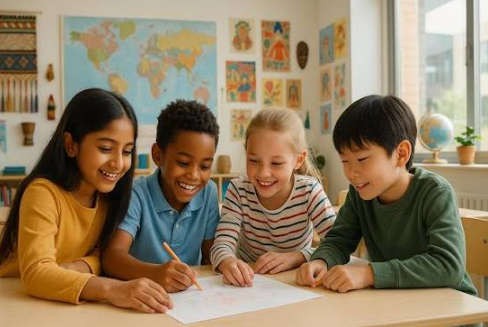

The world is home to many different cultures, languages, traditions, and ways of life. Every community has its own history, values, celebrations, food, music, and social customs. These differences make human society rich and interesting. They also provide opportunities for people to learn from one another and develop a better understanding of the world.
Cultural diversity is more than simply recognizing that people are different. It means respecting those differences and creating an environment where everyone has the opportunity to participate in society. When people appreciate different cultures, they can build stronger relationships, reduce misunderstandings, and encourage peaceful cooperation.
Understanding Cultural Diversity
Cultural diversity refers to the variety of cultural backgrounds, traditions, beliefs, languages, and experiences found within a society. It can be seen in large cities, small towns, schools, workplaces, and international communities.
People may celebrate different holidays, prepare different foods, speak different languages, or follow different family traditions. These differences are part of their identity and personal experiences.
Understanding cultural diversity requires an open mind. Instead of assuming that one way of living is better than another, people can take time to learn why certain traditions are important to different communities.
This approach encourages curiosity and respect rather than judgment.
See also: Simple Ways to Make Everyday Family Life More Enjoyable
How Cultural Exchange Builds Understanding
Cultural exchange allows people to share knowledge and experiences with individuals from different backgrounds. It can happen through travel, education, community events, international programs, and everyday conversations.
For example, a cultural festival may introduce visitors to traditional music, clothing, food, and art. A student studying abroad may learn how another society approaches education and family life. These experiences can challenge stereotypes and create meaningful connections.
People do not need to travel internationally to experience cultural exchange. Local neighborhoods often include families with different backgrounds. Community events, libraries, schools, and cultural organizations can provide opportunities to learn from one another.
The Role of Education in Promoting Cultural Respect
Education plays an important role in helping young people understand cultural differences. Schools can introduce students to world history, languages, literature, and traditions from different regions.
When children learn about different societies, they become more aware of the experiences of others. They may also develop better communication skills and become more comfortable working with people who have different perspectives.
Teachers can encourage respectful discussions by allowing students to share their experiences and ask thoughtful questions. Lessons should present cultures accurately and avoid reducing entire communities to simple stereotypes.
Parents can support this learning at home by discussing different traditions, reading books from various cultures, and encouraging children to treat everyone fairly.
Language Is an Important Part of Cultural Identity
Language connects people to their families, history, and communities. It allows individuals to express ideas, share memories, and pass traditions from one generation to another.
Many languages carry unique expressions and cultural meanings that may not have direct translations into other languages. When a language disappears, valuable knowledge and cultural history can also be lost.
Supporting language diversity can include teaching children their family languages, preserving traditional stories, and creating opportunities for people to learn new languages.
Learning even a few basic phrases in another language can also show respect and make communication more welcoming.
Cultural Diversity Encourages Creativity
Different cultural experiences can introduce new ideas into art, design, food, literature, music, and business. When people with different perspectives work together, they may discover creative solutions that would not have emerged from a single viewpoint.
For example, a design team with varied cultural experiences may understand the needs of a wider audience. Artists can combine different techniques to create original work. Restaurants may introduce customers to new ingredients and cooking methods.
Diversity does not automatically guarantee creativity. People also need respectful communication, fair opportunities, and an environment where everyone feels comfortable sharing ideas.
When these conditions exist, different perspectives can become a valuable source of innovation.
Respecting Differences in the Workplace
Modern workplaces often bring together employees from different regions and cultural backgrounds. This diversity can help organizations understand international customers and develop stronger teams.
However, successful teamwork requires respect and clear communication. Employees should not be judged based on their names, accents, clothing, or cultural traditions.
Employers can encourage inclusion by providing fair opportunities, addressing discrimination, and creating policies that respect different needs where practical.
Team members can also contribute by listening carefully, avoiding assumptions, and communicating professionally. Small actions, such as learning how to pronounce someone’s name correctly, can help create a more respectful workplace.
How Cultural Stereotypes Create Problems
Stereotypes are simplified beliefs about groups of people. They often ignore individual differences and can lead to unfair treatment.
For example, assuming that everyone from a particular country has the same personality or beliefs can prevent meaningful communication. Such assumptions may also influence decisions in education, employment, and social relationships.
People can challenge stereotypes by checking information, listening to personal experiences, and avoiding generalizations. News, films, and social media should also be viewed critically because they do not always represent the full reality of a community.
Respect begins when individuals are treated as people rather than judged according to assumptions about their background.
The Importance of Cultural Representation in Media
Books, films, television programs, news platforms, and digital content influence how people understand different societies. Fair representation can help audiences discover unfamiliar cultures and recognize shared human experiences.
Media creators should make an effort to present communities with accuracy and respect. Showing people only through stereotypes can create misleading impressions.
A wider range of voices and stories can help audiences understand different perspectives. It can also give individuals the opportunity to see their experiences represented in public discussions.
Readers can contribute by exploring content from different regions and supporting responsible creators.
Building Peace Through Mutual Respect
Peaceful societies require more than the absence of conflict. They also need trust, fairness, communication, and respect among individuals and communities.
Cultural understanding can help people discuss disagreements without turning differences into hostility. Community events, educational projects, and international partnerships can create opportunities for cooperation.
People may not agree on every tradition or belief, but they can still recognize each other’s dignity and rights.
Organizations and community leaders can support peaceful relationships by encouraging dialogue and ensuring that different groups have opportunities to participate in public life.
Conclusion
Cultural diversity is an important part of human society. It gives people opportunities to learn, exchange ideas, preserve traditions, and build relationships across different backgrounds.
Respecting cultural differences does not require individuals to abandon their own identities. Instead, it encourages people to appreciate their own heritage while remaining open to the experiences of others.
Education, responsible media, fair workplaces, and community activities can all help create a more inclusive world. When people choose understanding over prejudice, they contribute to stronger communities and more peaceful relationships.
Readers interested in global perspectives, cultural understanding, and social progress can explore One World Column for thoughtful discussions and ideas.