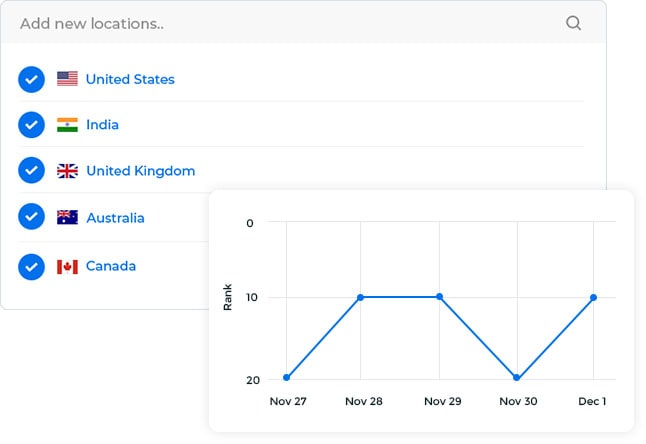

How a Keyword Rank Checker Helps Identify Ranking Changes
Search engine rankings can change regularly as search engines update their algorithms, competitors publish new content and websites make changes to their pages. A keyword that performs well today may move up or down in search results over time. Monitoring these changes is therefore an important part of understanding SEO performance.
A Keyword Rank Checker can help website owners, marketers and SEO professionals track where their pages appear for specific search terms. By comparing ranking data across different dates, users can identify improvements, declines and unusual changes that may require further investigation.
Why Is Keyword Rank Tracking Important?
Keyword rankings provide useful information about a website’s visibility in search results. While rankings are not the only measure of SEO performance, monitoring them can help identify trends and potential optimisation opportunities.
Regular rank tracking can help you:
- Monitor targeted keyword positions
- Identify ranking improvements
- Detect ranking declines
- Compare performance over time
- Evaluate the impact of SEO changes
- Identify keywords requiring further optimisation
- Understand changes in search visibility
Tracking rankings consistently provides more context than checking search results manually from time to time.
See also: How Fire and Safety Compliance Protects People and Property
How Does a Keyword Rank Checker Work?
A rank checker monitors selected search terms and records where a website or specific page appears in search results.
Depending on the platform, you may be able to specify factors such as:
- Target keywords
- Website or domain
- Search engine
- Country or location
- Device type
- Search language
- Tracking frequency
The tool then collects ranking information and allows users to compare results across different periods.
Identifying Positive Ranking Changes
Not every ranking change indicates a problem. Improvements can show that optimisation efforts may be increasing a page’s visibility for relevant search terms.
For example, a keyword may move from position 18 to position 9. This change places the page on the first page of many search results and may create an opportunity to strengthen the page further.
Look for Consistent Improvements
A single ranking increase may not represent a long-term trend. Monitoring rankings over several reporting periods can help determine whether an improvement is consistent.
Identify Pages Making Progress
If several keywords associated with the same page are improving, the page may be gaining broader visibility for its topic.
This can help SEO teams identify content that is performing well and consider whether similar optimisation approaches could be applied elsewhere.
Detecting Ranking Declines
Ranking declines can happen for many reasons. A page may lose positions because competitors have improved their content, search results have changed or technical problems have affected the website.
A Keyword Rank Checker can help identify declines more quickly by highlighting changes between reporting periods.
Potential warning signs include:
- A sudden drop for an important keyword
- Several keywords declining on the same page
- Multiple pages losing rankings simultaneously
- Previously ranking keywords disappearing from tracked results
- Gradual declines over several weeks
A ranking decline does not automatically identify the cause, so further analysis is often necessary.
Understanding Sudden Ranking Changes
Sudden changes can deserve closer attention, particularly when multiple keywords are affected at the same time.
A significant change may be associated with factors such as:
Website Changes
Changes to page content, URLs, internal links, metadata or website structure can influence how pages perform in search results.
Technical Problems
Indexing issues, incorrect redirects, server problems or changes to technical SEO settings can potentially affect search visibility.
Competitor Activity
Competitors may publish new content, improve existing pages or strengthen their websites, potentially changing the competitive landscape.
Search Engine Changes
Search engines regularly make changes to how search results are generated and displayed. Ranking fluctuations can occur as a result.
The ranking data provides a signal, but additional investigation is required to understand the reason behind a change.
Compare Rankings Over Time
Historical comparisons are one of the most useful aspects of rank tracking. Instead of looking at today’s position alone, SEO professionals can compare current rankings with previous data.
Useful comparisons may include:
- Day-over-day changes
- Week-over-week performance
- Month-over-month performance
- Pre- and post-SEO campaign results
- Rankings before and after a website update
Longer-term comparisons can help distinguish temporary fluctuations from broader ranking trends.
Monitor Keyword Groups
Looking at individual keywords is useful, but analysing groups of related keywords can provide additional context.
For example, an SEO team may group keywords according to:
- Product or service
- Location
- Search intent
- Topic
- Website section
- Marketing campaign
If several related keywords decline together, this may indicate that the affected page or topic area requires further review.
Track Competitor Ranking Changes
Some rank tracking platforms also provide competitive insights. Comparing your keyword performance with competing websites can help identify changes in the search landscape.
Competitor analysis may show:
- Competitors gaining positions
- New websites entering search results
- Keywords where competitors have stronger visibility
- Changes in the pages ranking for important terms
This information can help identify areas where content or SEO strategies may need further consideration.
Use Ranking Data With Other SEO Metrics
Rankings provide valuable information, but they should not be analysed in isolation.
Other metrics can provide additional context, including:
Organic Traffic
A ranking improvement may be accompanied by increased organic traffic, although this is not guaranteed.
Impressions
Search impressions can indicate whether a page is appearing for more searches.
Click-Through Rate
CTR can help show how often users click a search result after seeing it.
Conversions
Where tracking is available, conversions can help connect search visibility with meaningful website actions.
Looking at these metrics together can provide a more complete picture of SEO performance.
How to Respond to Ranking Changes
Once a ranking change has been identified, avoid making immediate changes without understanding what happened.
A practical process can include:
- Confirm the ranking change.
- Check whether multiple keywords are affected.
- Review recent website changes.
- Check technical SEO factors.
- Analyse competing pages.
- Review search intent and content quality.
- Monitor the keyword after making any necessary changes.
This approach helps avoid reacting to short-term fluctuations that may resolve naturally.
Common Keyword Rank Tracking Mistakes
Rank tracking can become less useful when data is interpreted incorrectly.
Common mistakes include:
- Checking rankings only once
- Focusing on one keyword
- Ignoring search intent
- Treating every ranking drop as a technical problem
- Looking only at position and ignoring traffic
- Comparing inconsistent locations or devices
- Making major changes based on temporary fluctuations
Consistent tracking and broader performance analysis can provide more reliable insights.
Choosing the Right Keyword Rank Checker
Different rank tracking platforms offer different features. When choosing a tool, consider the capabilities that match your SEO requirements.
Useful features may include:
- Daily or scheduled rank tracking
- Historical ranking data
- Local rank tracking
- Mobile and desktop tracking
- Competitor monitoring
- Keyword grouping
- Ranking-change alerts
- Reporting and export options
- Search visibility metrics
The right choice depends on the size of the website, number of keywords and level of monitoring required.
Final Thoughts
Keyword rankings can change for many reasons, making regular monitoring an important part of SEO management. A Keyword Rank Checker provides a structured way to track search positions and identify meaningful changes over time.
By monitoring positive and negative movements, comparing historical data, reviewing keyword groups and considering other metrics such as organic traffic and conversions, SEO professionals can gain a clearer understanding of search performance.
Rather than reacting to every ranking fluctuation, use ranking data as a starting point for further analysis. Consistent tracking can help identify trends, uncover optimisation opportunities and support more informed SEO decisions.