
When considering a roof replacement, homeowners often focus on material durability, cost, and appearance. However, one crucial factor that significantly influences the choice of roofing material is the pitch of the roof. Roof pitch, or the steepness of a roof, affects not only the aesthetics of a home but also its ability to shed water, resist weather, and support various materials. Understanding how roof pitch interacts with different replacement materials can help homeowners make informed decisions that enhance both the longevity and performance of their new roof.
How roof pitch affects material choices
Understanding Roof Pitch and Its Importance
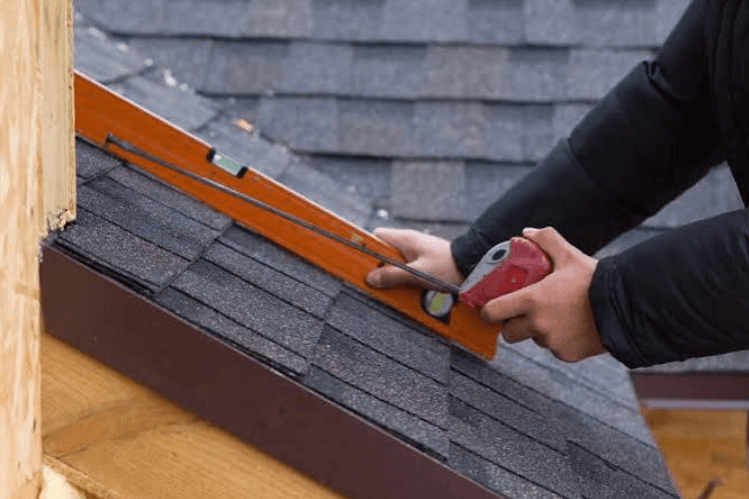
Roof pitch refers to the angle or slope of a roof, typically expressed as a ratio of vertical rise to horizontal run. This measurement is more than just a design element; it plays a vital role in determining how effectively a roof can shed water, snow, and debris. Steeper pitches allow for faster runoff, reducing the risk of leaks and water damage, while lower pitches may require additional waterproofing measures. The pitch also impacts the structural requirements of the roof, as steeper roofs may need different support systems compared to flatter ones. When selecting replacement materials, it is essential to consider how the pitch will interact with the chosen product, as some materials perform better on certain slopes than others. For example, asphalt shingles are commonly used on moderate to steep pitches, while materials like rolled roofing are more suitable for low-slope applications. Ignoring the relationship between pitch and material can lead to premature wear, increased maintenance, and even structural issues over time.
Material Performance on Different Pitches
The performance of roofing materials is closely tied to the pitch of the roof. Materials such as clay tiles, slate, and wood shakes are generally recommended for roofs with a higher pitch because they rely on gravity to shed water efficiently. On the other hand, flat or low-slope roofs are more prone to water pooling, which can lead to leaks if the wrong material is used. For these roofs, materials like modified bitumen, EPDM rubber, or TPO membranes are often preferred due to their superior waterproofing capabilities. Homeowners in areas with heavy rainfall or snow should pay particular attention to roof pitch when selecting materials, as improper combinations can result in costly repairs. Consulting with a Roofing Company Loveland can provide valuable insights into which materials are most compatible with your roof’s pitch and local climate conditions, ensuring a durable and effective roofing solution.
Climate Considerations and Roof Pitch
Climate plays a significant role in determining the ideal roof pitch and material combination. In regions with frequent rain or snow, a steeper pitch is advantageous because it allows precipitation to run off quickly, minimizing the risk of leaks and structural damage. Materials like metal roofing and asphalt shingles are well-suited for these conditions when installed on appropriately pitched roofs. Conversely, in arid climates where rainfall is minimal, a lower pitch may be acceptable, and materials such as concrete tiles or built-up roofing can be considered. However, even in dry areas, occasional heavy storms can test the limits of low-slope roofs, making it essential to choose materials with proven waterproofing properties. The interaction between climate, pitch, and material is complex, and homeowners should evaluate all factors to ensure their new roof will withstand local weather patterns while maintaining its integrity and appearance.
Aesthetic Impact of Roof Pitch
The pitch of a roof significantly influences the overall look and character of a home. Steeply pitched roofs often create a dramatic, traditional appearance, while low-slope or flat roofs lend a modern, minimalist aesthetic. The choice of material can either enhance or detract from these visual effects. For example, slate and wood shakes complement steep pitches by emphasizing their angles and depth, while metal panels or membrane roofing can accentuate the clean lines of a low-slope design. Homeowners should consider how the combination of pitch and material will affect curb appeal and property value. Architectural style, neighborhood trends, and personal preferences all play a role in this decision. Selecting a material that harmonizes with the roof’s pitch can create a cohesive and attractive exterior, while mismatched choices may result in a less appealing or even awkward appearance.
Maintenance and Longevity Factors
Maintenance requirements and the expected lifespan of a roof are directly influenced by the interplay between pitch and material. Steep roofs generally shed debris and moisture more effectively, reducing the likelihood of moss, algae, and water damage. This can extend the life of materials like asphalt shingles or wood shakes, which might otherwise deteriorate quickly on a flatter surface. Low-slope roofs, however, are more susceptible to pooling water and debris accumulation, necessitating more frequent inspections and maintenance. Materials designed for low-slope applications, such as single-ply membranes, are engineered to withstand these challenges but may still require regular upkeep to prevent leaks and prolong service life. Homeowners should factor in the long-term maintenance demands and durability of each material in relation to their roof’s pitch to avoid unexpected costs and ensure lasting performance.
See also: Mortgage Broker Expertise to Help You Navigate Complex Home Loan Choices
Cost Implications of Roof Pitch
The pitch of a roof can have a notable impact on the overall cost of a replacement project. Steeper roofs often require additional safety measures, specialized equipment, and more labor-intensive installation processes, which can increase the total expense. Certain materials may also be more difficult or time-consuming to install on steep pitches, further driving up costs. Conversely, low-slope roofs may allow for quicker installation but could require more expensive waterproofing systems to prevent leaks. Material selection should take into account not only the initial purchase price but also the installation complexity associated with the roof’s pitch. Homeowners should obtain detailed estimates that reflect these variables to make an informed financial decision and avoid surprises during the replacement process.
Roof Pitch and Energy Efficiency
Roof pitch can also influence the energy efficiency of a home. Steeply pitched roofs often provide more attic space, which can improve ventilation and insulation options, leading to better temperature regulation throughout the year. Certain materials, such as metal roofing, can reflect sunlight and reduce cooling costs when installed on a properly pitched roof. Low-slope roofs, on the other hand, may be more susceptible to heat absorption, especially if dark materials are used. Selecting energy-efficient materials that are compatible with the roof’s pitch can help lower utility bills and contribute to a more comfortable indoor environment. Homeowners should consider both the thermal properties of the material and the impact of roof pitch when planning a replacement to maximize energy savings.
Local Building Codes and Roof Pitch
Local building codes often dictate minimum and maximum roof pitches for specific materials, ensuring safety and performance standards are met. These regulations are designed to prevent issues such as water infiltration, structural failure, and fire hazards. Before selecting a replacement material, homeowners should consult local codes to verify that their chosen product is approved for use on their roof’s pitch. Failure to comply with these requirements can result in costly modifications, fines, or even the need to replace the roof again. Working with a knowledgeable contractor who understands local regulations can streamline the process and provide peace of mind that the new roof will meet all necessary standards.
Conclusion
Choosing the right replacement material for your roof involves more than just comparing prices and appearances. Roof pitch is a fundamental factor that affects material compatibility, performance, maintenance, cost, and even energy efficiency. By understanding how pitch interacts with different roofing options, homeowners can make informed decisions that enhance the durability, safety, and visual appeal of their homes. Considering local climate, building codes, and long-term maintenance needs will ensure that the new roof not only looks great but also stands the test of time. Taking the time to evaluate all these aspects will lead to a successful roof replacement that provides lasting value and protection.