
How Wearable Technology Is Transforming Health and Daily Productivity
Technology is no longer limited to computers, smartphones, and large electronic devices. Many useful digital tools can now be worn on the body, allowing people to access information and monitor certain activities throughout the day. Smartwatches, fitness trackers, smart rings, and other wearable devices have become increasingly popular because they combine convenience with practical features.
Wearable technology refers to electronic devices designed to be worn as accessories, clothing, or equipment. These products may collect information, display notifications, track movement, or connect with other digital services. Some are designed mainly for fitness, while others focus on communication, workplace safety, or specialized health monitoring.
As sensors and software improve, wearable technology is becoming more useful in everyday life. Understanding its features can help people decide which devices are worth considering.
What Makes a Device Wearable Technology?
A wearable device contains electronic components that allow it to collect or display information while being worn. Most modern products include sensors, a processor, a battery, and wireless connectivity.
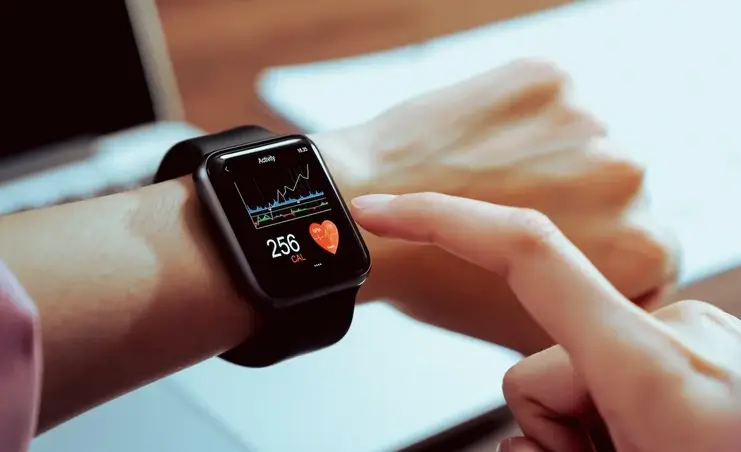
A smartwatch is one of the best known examples. It can display notifications, record physical activity, track workouts, and connect with a smartphone. Fitness bands often focus on step counting, movement, sleep patterns, and exercise tracking.
Smart rings provide another option for people who prefer a smaller device. Depending on the model, they may track activity, sleep, temperature trends, and other measurements.
Specialized wearables are also used in healthcare, manufacturing, sports, and workplace safety. Their features vary according to the needs of the user and the environment in which they operate.
Supporting Healthier Daily Habits
One reason wearable devices have become popular is their ability to encourage people to pay attention to daily activity. A fitness tracker can estimate steps, movement, and exercise time. Some devices also provide reminders when users have remained inactive for long periods.
These features may encourage people to take short walks, move during work breaks, or develop more consistent exercise routines.
Activity goals can make progress easier to understand. Instead of relying only on memory, users can review their daily movement and compare it with previous days.
However, wearable devices should support healthy habits rather than create unnecessary pressure. Missing a daily activity target does not mean someone has failed. Rest, recovery, and individual physical needs are also important.
Understanding Sleep Tracking
Many smartwatches and fitness trackers offer sleep monitoring features. These tools may estimate when a person falls asleep, how long they remain asleep, and how their sleep changes throughout the night.
Some devices provide information about sleep stages and nighttime movement. This can help users notice general patterns, such as going to bed at inconsistent times or regularly getting less sleep than they intended.
It is important to understand that consumer wearables do not measure sleep in the same way as professional sleep studies. Their results are estimates based on sensors and algorithms.
If a person experiences ongoing sleep problems or other health concerns, a wearable report should not replace professional medical advice. The information may be useful to discuss with a healthcare provider, but it cannot independently diagnose a condition.
Making Communication More Convenient
Wearables can also reduce the need to check a smartphone repeatedly. A smartwatch may display incoming calls, messages, calendar reminders, and selected application notifications.
Some models allow users to respond to messages, control music, or make calls directly from the device. This can be useful when a phone is stored in a bag or when someone is exercising.
Navigation alerts are another practical feature. A wearable may provide directions through short messages or vibrations, allowing users to follow a route without constantly looking at their phone.
The value of these features depends on individual habits. People who prefer fewer interruptions may choose to disable unnecessary notifications and keep only important alerts.
Wearable Technology in Sports and Fitness
Athletes and fitness enthusiasts use wearable devices to review exercise information. Depending on the product, measurements may include heart rate estimates, distance, pace, workout duration, and movement patterns.
Runners can use GPS enabled watches to review routes and training sessions. Cyclists may connect wearables with other equipment to monitor performance. Swimmers may choose devices designed to handle water exposure and record suitable activity information.
Coaches can sometimes use collected data to understand training patterns and plan sessions. However, numbers should not be treated as the only measure of athletic performance.
Factors such as recovery, nutrition, experience, physical comfort, and training conditions also matter. A device can provide useful information, but it cannot fully understand how an athlete feels.
Improving Safety at Work
Wearable technology is expanding beyond personal fitness into professional environments. Some workplaces use smart helmets, connected badges, location devices, and specialized sensors to support employee safety.
In industrial settings, wearable devices may help monitor environmental conditions, provide alerts, or support communication between workers.
Healthcare professionals may use connected devices to access information while keeping their hands available for other tasks. Logistics companies may use wearable scanners to support inventory management and improve workflow efficiency.
Employers should introduce these systems responsibly. Workers need clear information about what data is collected, why it is collected, and who can access it. Safety technology should not become an excuse for unnecessary monitoring or unfair treatment.
Battery Life and Comfort Matter
A wearable device can have impressive features, but it may not be useful if it is uncomfortable or requires constant charging.
Before buying a product, consider how long its battery lasts under normal use. Features such as GPS, continuous display, frequent notifications, and health monitoring may affect battery performance.
Comfort is equally important. A watch that feels too heavy or a band that irritates the skin may become difficult to wear throughout the day.
Check the available sizes, strap materials, water resistance information, and compatibility with your smartphone. If possible, try the device before purchasing it.
See also: How DDR4 Memory Modules Support Business Computing Systems
Privacy and Personal Data Protection
Wearable devices may collect sensitive information about movement, sleep, location, and other personal activities. Users should understand how this information is stored and shared.
Review the privacy policy and application permissions before connecting a wearable to your phone. Disable features you do not need and use a strong password for the connected account.
Check whether information is shared with third parties and whether you can delete or export your data. Avoid posting detailed personal activity or location information publicly if it creates a privacy risk.
Companies that develop wearable products also have a responsibility to protect user information through suitable security practices.
Choosing the Right Wearable Device
The best wearable is not necessarily the most expensive model. It is the device that provides useful features for your daily routine.
Start by deciding what you want to achieve. If your main goal is basic activity tracking, a simple fitness band may be enough. If you need communication features, a smartwatch may be more suitable. People interested in sleep tracking may prefer a device with comfortable overnight use and clear reporting.
Compare battery life, compatibility, subscription requirements, durability, warranty, and privacy controls. Read independent reviews and check whether the features you want are available in your country.
Readers who want to learn more about smart devices and wearable technology can explore wearable technology guides at FeedWorldTech.
Final Thoughts
Wearable technology is changing how people monitor activity, manage communication, and access digital information. From fitness trackers to smartwatches and workplace safety equipment, these devices offer useful features for different needs.
Their value depends on choosing the right product and understanding its limitations. Wearables can encourage healthier routines and improve convenience, but they should not replace professional medical advice or personal judgment. With careful selection and responsible use, wearable devices can become practical tools in modern life.