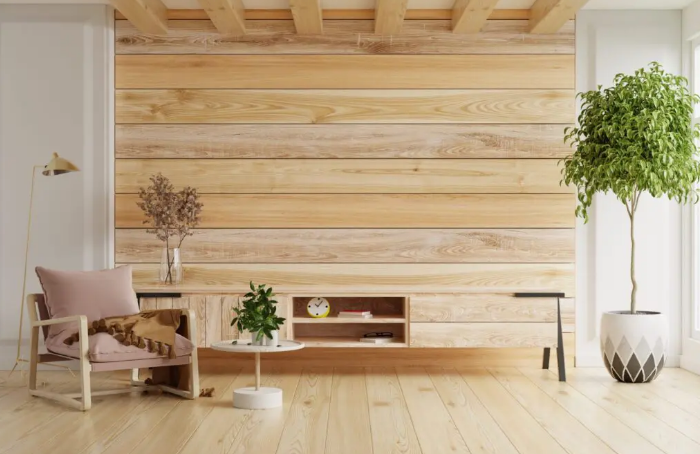

Timber walls have become an increasingly popular choice in interior design due to their natural aesthetic and versatility. Incorporating a timber feature wall can dramatically alter the character of a room, offering warmth and texture that other materials struggle to replicate. This article explores how timber feature walls can enhance interiors, the types of timber commonly used, and practical considerations for installation and maintenance.
The Appeal of Timber Walls in Interior Design
Timber has long been valued for its natural beauty and durability. When used in walls, timber offers a unique ability to create a focal point that adds depth and personality to an interior space. Unlike paint or wallpaper, timber introduces tactile and visual interest, drawing the eye and inviting a closer look.
One of the key advantages of timber feature walls is their adaptability to various design styles. From rustic and traditional to modern and minimalist, timber can complement a broad spectrum of aesthetics, making it an attractive option for both residential and commercial interiors.
Defining the Timber Feature Wall
A timber feature wall is a section of an interior wall designed specifically to stand out from the rest of the walls in a room. This is often achieved using timber panels, planks, or cladding that differ in colour, texture, or pattern from surrounding surfaces. The feature wall serves as a visual anchor, enhancing the overall interior scheme.
Types of Timber Suitable for Feature Walls
Choosing the right timber is crucial for both performance and aesthetics. Common timber species used for feature walls include pine, oak, cedar, and walnut. Each type offers distinct characteristics:
- Pine: Affordable and readily available, pine is light in colour and develops a charming patina over time.
- Oak: Durable with a pronounced grain, oak adds a classic and sophisticated feel.
- Cedar: Naturally resistant to decay and insects, cedar emits a pleasant aroma and has a reddish hue.
- Walnut: Darker and rich, walnut provides a luxurious and contemporary look.
The choice depends on the desired effect, budget, and environmental conditions within the interior space.
Design Flexibility with Timber Feature Walls
Timber feature walls offer immense flexibility in design. The installation can be arranged horizontally, vertically, or in intricate patterns such as chevrons or herringbone. Mixed timber species or varied finishes can be combined to create contrast and individuality.
Additionally, timber can be left natural, stained, painted, or treated to suit the lighting and colour palette of the room. This adaptability ensures timber feature walls can be customised to complement existing furnishings or to introduce a striking new element.
Applications in Different Interior Spaces
Timber feature walls are appropriate for various rooms and settings. In living areas, they create a cosy and inviting atmosphere, making the space suitable for relaxation and socialising. In dining rooms, a timber wall can elevate formality and warmth simultaneously.
Bedrooms benefit from the calming quality of timber, which can provide a serene backdrop for rest. Commercial environments, such as offices, restaurants, and retail stores, also use timber feature walls to impart an element of sophistication and natural charm, enhancing customer and employee experience.
Installation Considerations for Timber Feature Walls
The installation process must consider the type of timber, wall surface, and the room’s environmental conditions. It is essential to ensure the wall is dry, clean, and structurally sound before attaching timber panels or planks. Professional installation is recommended to achieve a seamless finish and to manage fixing methods adequately.
Acclimatisation of timber prior to installation is necessary to prevent warping or expansion after fitting. This process involves storing the timber in the interior environment where it will be installed, allowing it to adjust to the room’s temperature and humidity levels.
Maintenance and Longevity of Timber Walls
Wooden walls require regular maintenance to preserve their visual appeal and structural integrity. Dusting and gentle cleaning with suitable products maintain the surface condition. Depending on the timber type and finish, occasional application of oils or sealants might be necessary to protect against moisture and wear.
Timber feature walls can last for many years when cared for correctly, contributing long-term beauty and value to the interior.
Environmental and Sustainability Aspects
Using sustainably sourced timber for feature walls aligns with environmentally responsible building practices. Certifications such as FSC (Forest Stewardship Council) ensure that the wood originates from forests managed to conserve biodiversity and support local communities.
Moreover, timber is a renewable resource with a reduced carbon footprint compared to synthetic materials, making it a favourable choice for eco-conscious projects.
Combining Timber Walls with Other Materials
Timber feature walls can be integrated with other interior elements such as stone, metal, or glass to create layered textures and visual interest. This blending enhances the architectural detail and helps define the spatial character.
For example, pairing timber with exposed brick can accentuate an industrial style, while combining timber with sleek metal fixtures supports contemporary design themes.
Cost Implications and Value Addition
While timber feature walls can represent a significant initial investment, they contribute to increasing a property’s appeal and market value. Quality timber installation can serve as a strong selling point, reflecting careful attention to interior design and material quality.
Budget options exist by utilising engineered timber or reclaimed wood, offering sustainable and cost-effective alternatives without sacrificing aesthetic quality.
Conclusion
Timber feature walls represent an effective way to enhance interior spaces by introducing natural beauty, textural depth, and a memorable focal point. Their versatility across styles, durability, and environmental benefits make timber walls a compelling choice for homeowners and designers alike.
For further information on selecting and installing a reliable timber feature wall, consulting specialised suppliers and professionals is advised to ensure optimal results and lasting satisfaction.