
How a Hard Disk Disposal Service Helps Protect Sensitive Data
Businesses store large amounts of sensitive information on hard drives, including customer records, financial documents, employee information, passwords, business plans, and operational files. When these drives reach the end of their useful life, simply throwing them away can create significant data security risks. A hard disk disposal service provides a structured approach to handling unwanted storage devices while reducing the possibility of sensitive information being recovered or exposed.
Secure disposal is an important part of the overall data lifecycle. Understanding how professional hard disk disposal works can help businesses make informed decisions when retiring old computers, servers, external drives, and other storage equipment.
Why Old Hard Drives Can Still Contain Sensitive Data
Deleting files from a computer does not necessarily mean that the information has been completely removed from the hard drive. Depending on how the data was deleted and how the storage device was handled, information may remain recoverable.
See also: How Artificial Intelligence Is Used in Smartphones
Deleted Files May Be Recoverable
When a file is deleted through a standard operating system process, the system may simply remove the reference to that file rather than immediately destroying the underlying data. Until the relevant storage space is overwritten or otherwise securely processed, specialised recovery techniques may potentially retrieve information.
This creates a risk when an old drive is discarded without appropriate data destruction measures.
Retired Devices May Contain More Than Expected
An old hard drive may contain years of business information. Even if a device is no longer actively used, it could still hold documents, emails, databases, user credentials, backups, or temporary files.
Businesses therefore need to consider the information stored on a device before deciding how it should be disposed of.
What Is a Hard Disk Disposal Service?
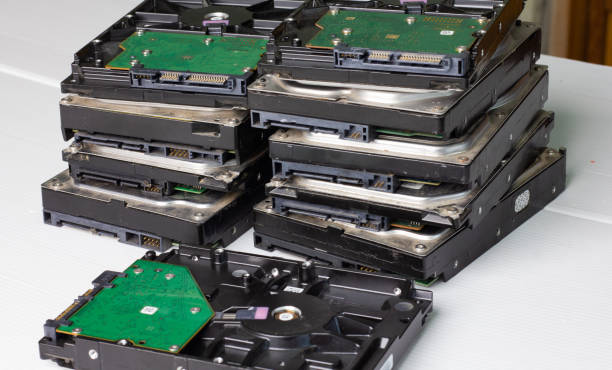
A hard disk disposal service involves the secure handling and disposal of unwanted or retired hard drives. The process may include collection, identification, data destruction, physical processing, and responsible recycling or disposal.
The exact process depends on the service provider, type of storage device, and security requirements.
Secure Handling of Storage Devices
Professional disposal processes can establish controls for handling drives from the moment they are collected. This can help reduce opportunities for devices to be lost, misplaced, or accessed by unauthorised individuals.
Maintaining clear procedures throughout the disposal process is particularly important when drives contain confidential business information.
Data Destruction Before Disposal
An important part of secure hard disk disposal is ensuring that sensitive information cannot be easily recovered before the physical device is recycled or discarded.
Depending on the circumstances, this may involve approved data sanitisation methods or physical destruction of the storage media.
How Secure Disposal Helps Protect Sensitive Information
A professional disposal process can address several risks associated with retired storage devices.
Reducing the Risk of Data Recovery
The main objective of secure disposal is to make stored information inaccessible to unauthorised parties. Appropriate destruction or sanitisation methods can significantly reduce the possibility of recovering data from a retired drive.
The method selected should be appropriate for the type of drive, sensitivity of the information, and applicable organisational requirements.
Preventing Unauthorised Access
Leaving old drives in unsecured storage areas can create opportunities for unauthorised access. Someone who obtains a discarded drive may attempt to recover information from it.
Secure disposal reduces the amount of time a retired drive remains accessible and helps establish a controlled process from collection through final disposal.
Common Methods Used for Hard Drive Data Destruction
Different storage devices require different approaches to secure information removal. Businesses should understand the available methods before selecting a disposal process.
Data Sanitisation
Data sanitisation involves using recognised techniques to make stored information inaccessible for its intended recovery. Depending on the technology involved, this may involve overwriting data or using other appropriate sanitisation procedures.
The suitability of sanitisation depends on the type and condition of the storage device and the required level of security.
Physical Destruction
Physical destruction involves damaging the storage media so that the information cannot be practically recovered using conventional methods. This may include specialised shredding, crushing, or other destruction techniques.
Physical destruction can be considered when information is highly sensitive or when a storage device is damaged and cannot be reliably sanitised.
Choosing the Appropriate Method
Not every drive needs the same disposal method. Businesses should consider data sensitivity, device type, storage technology, internal security policies, and regulatory requirements when selecting an appropriate process.
Protecting Customer and Employee Information
Sensitive information can belong to both customers and employees. Businesses have a responsibility to handle such information carefully throughout its lifecycle.
Customer Records
Customer databases may contain names, addresses, contact information, account details, transaction records, and other confidential information. If an old drive containing these records is improperly discarded, the information could potentially become accessible to others.
Secure disposal helps reduce this risk when customer information is no longer required.
Employee Information
Employee records can also contain sensitive information, including payroll details, employment documentation, identification information, and internal correspondence.
Retired devices containing employee information should be handled according to the organisation’s data protection and retention policies.
Supporting Business Data Security Policies
Hard disk disposal should not be treated as a separate activity from general information security. It forms part of the complete data lifecycle.
Data Lifecycle Management
Information typically moves through several stages, from creation and storage to use, retention, archiving, and eventual disposal. Security controls should be considered at each stage.
Including storage device disposal in the overall data management process helps businesses avoid leaving security gaps at the end of the information lifecycle.
Consistent Disposal Procedures
A documented disposal procedure can help employees understand what should happen when computers, servers, and storage devices are retired.
The procedure may identify who is responsible for approving disposal, how devices should be stored before collection, which destruction methods are permitted, and what records should be maintained.
Why Documentation Matters
Businesses may need evidence that retired storage devices were handled appropriately. Documentation can provide greater visibility into the disposal process.
Maintaining Disposal Records
Records may include information about the devices processed, dates of collection, destruction or sanitisation methods, and final disposal details. The exact documentation requirements depend on the organisation and applicable obligations.
Keeping accurate records can also make internal security reviews easier.
Demonstrating Responsible Data Handling
A documented disposal process can demonstrate that data security continues to be considered even after hardware is no longer in active use. This can support internal governance and help organisations maintain consistent security practices.
Environmental Considerations
Secure hard disk disposal can also be connected to responsible electronic waste management. Storage devices contain materials that should not simply be placed in general waste.
Responsible Recycling
Once data has been securely destroyed or sanitised, eligible hardware components may be processed through appropriate electronic recycling channels. This can help recover useful materials and reduce unnecessary electronic waste.
Businesses should ensure that recycling and disposal activities follow applicable environmental requirements.
Combining Security With Sustainability
A well-managed disposal process can address both information security and environmental responsibilities. The key is ensuring that data protection requirements are completed before devices are recycled, reused, or otherwise processed.
How Businesses Can Prepare for Hard Disk Disposal
Preparation can make the disposal process more organised and reduce the possibility of devices being overlooked.
Identify Retired Storage Devices
Businesses should maintain an inventory of computers, servers, external drives, and other storage equipment scheduled for retirement. Identifying devices before disposal can help ensure that no drive containing sensitive information is accidentally discarded through an unsuitable process.
Review Data Retention Requirements
Before destroying a drive, businesses should confirm that the information is no longer required for legal, operational, financial, or other legitimate purposes. Data should not be destroyed simply because the associated hardware is old.
Separate Devices Awaiting Disposal
Retired drives should be stored securely until the approved disposal process takes place. Restricting access to these devices can reduce the risk of loss or unauthorised handling.
Conclusion
Old hard drives can remain a potential source of sensitive information long after computers and other equipment have reached the end of their useful life. Simply deleting files or disposing of hardware with general waste may not provide adequate protection. A hard disk disposal service can help businesses establish a controlled process for handling retired drives, securely destroying or sanitising information, maintaining appropriate records, and supporting responsible electronic disposal.
By incorporating secure storage device disposal into broader data security and lifecycle management policies, organisations can reduce avoidable risks and protect sensitive information throughout its entire lifecycle.