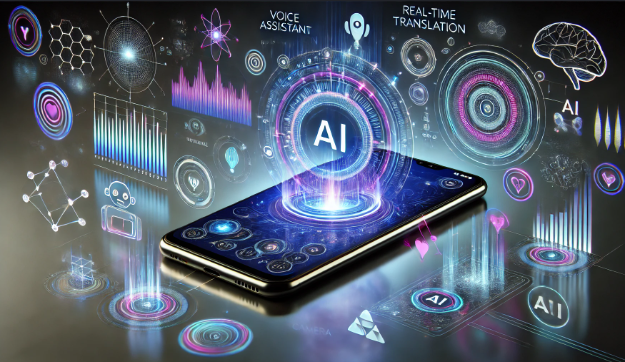

How Artificial Intelligence Is Used in Smartphones
Artificial intelligence in smartphones optimizes cameras, interfaces, and security without compromising user control. It analyzes scenes, lighting, and motion to enhance images in real time while balancing compute, memory, and power. On-device inference delivers fast responses with reduced latency and extended battery life. AI also interprets intent for assistants and privacy-preserving checks across apps. The result is adaptive, context-aware behavior that invites scrutiny of its trade-offs and governance as capabilities evolve.
How AI Transforms Smartphone Cameras
AI transforms smartphone cameras by leveraging on-device and cloud-assisted models to optimize image quality in real time.
The approach integrates AI photography with neural algorithms to assess scene content, lighting, and motion, delivering targeted adjustments.
This framework prioritizes speed, consistency, and adaptability, enabling photographers to leverage automatic refinements while retaining creative control and freedom from manual tuning.
See also: wisestudyspot
How AI Enhances On-Device Performance and Battery Life
Smartphone AI systems optimize resource use by dynamically balancing compute workloads, memory access, and peripheral tasks on-device.
AI powered hardware optimization enables peak performance with minimal latency, while battery aware scheduling aligns processing with power states, extending longevity.
On device inference supports real-time responses without cloud dependence, and energy efficient networks reduce data transmission costs, preserving efficiency across diverse usage scenarios.
How AI Powers Personal Assistant and Security Features
Personal assistants and security features in smartphones leverage AI to interpret user intent, manage tasks, and safeguard data both locally and in the cloud. AI enables contextual responses, proactive reminders, and biometric checks while enforcing privacy settings and data minimization. The result is autonomous convenience paired with restrained data collection, reducing exposure without compromising user agency or device reliability.
How AI Enables Smarter Apps and Privacy Choices
What role does artificial intelligence play in making apps smarter and users more privacy-conscious on mobile platforms? AI enables adaptive interfaces, on-device processing, and context-aware decisions that reduce data exposure.
It supports privacy controls through transparent permissions and explainable prompts, while data minimization limits collection and retention. This fosters efficient experiences without compromising user autonomy or security.
Frequently Asked Questions
How Does AI Balance Camera Quality With Processing Speed?
AI balances image quality and processing speed by optimizing algorithms, hardware acceleration, and adaptive processing. It prioritizes higher image fidelity when feasible, while applying faster, lighter models under tight time constraints to maintain responsive performance. This equilibrium ensures perceived efficiency.
Can AI Learn From My Usage Without Compromising Privacy?
Like a cautious traveler, AI can learn from usage without exposing data. It supports privacy preservation via on device learning, minimizing cloud transmission and risk, though some aggregated signals may remain.
Do Different Brands Use AI Differently in Smartphones?
Different brands exhibit varied strategies in brand specific AI implementation, reflecting distinct ecosystems and priorities. Hardware software optimization drives efficiency and responsiveness, but approaches diverge, with trade-offs among privacy, performance, battery life, and feature emphasis across manufacturers.
How Secure Is Ai-Driven Authentication Against Spoofing?
AI-assisted authentication appearsable against spoofing, though biometric security hinges on model privacy and data minimization; experts note vulnerabilities persist, demanding robust threat modeling, privacy-preserving training, and transparent policies to empower users seeking freedom from overreach.
Will AI Reduce App Data Usage in the Future?
AI may modestly reduce app data usage through smarter prefetching and compression; however, overall impact hinges on data privacy considerations and platform policies. Battery optimization improvements are plausible, yet depend on evolving AI efficiency and user autonomy.
Conclusion
In the end, coincidence frames the verdict: smartphones that quietly deploy AI grant sharper cameras, steadier performance, and smarter assistants, as if tailored by unseen hands. The timing of a photo, the instant of a reply, the privacy toggle that appears at the precise moment of need—all converge to reveal a quiet truth. AI isn’t just technology; it is the synchronized whisper behind everyday efficiency, shaping choices before users even name them.