
Enjoying Outdoor Dining in a City Full of Possibilities
Dining outdoors offers a different experience from eating inside a traditional restaurant. Fresh air, open surroundings and views of the surrounding neighbourhood can make a meal feel more relaxed. In a city with a varied dining culture, outdoor seating can also provide an opportunity to enjoy the atmosphere beyond the restaurant’s interior.
Al fresco dining is popular for casual meals, social gatherings and occasions when guests want to spend time in an open setting. Choosing the right venue, however, requires attention to comfort, weather and food options.
What Does Al Fresco Dining Mean?
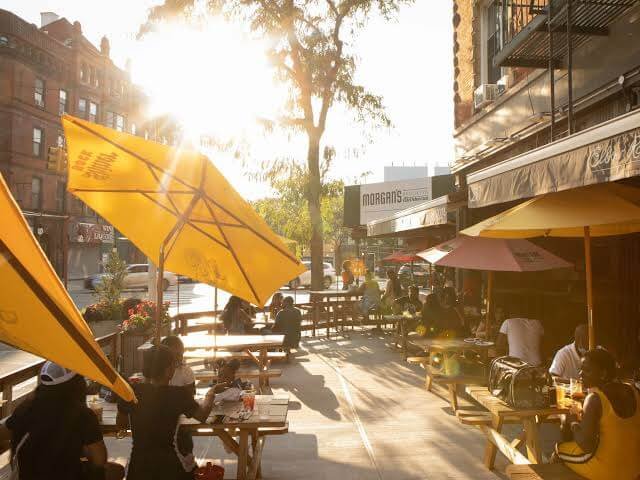
Al fresco dining refers to eating outdoors, often on a terrace, patio, garden or pavement seating area. The arrangement may be part of a restaurant’s main dining space or a separate outdoor section.
Some venues offer a quiet setting with greenery, while others provide views of streets, buildings or waterfront areas.
The experience depends on the location and design of the space. Outdoor seating may be more open and informal, although some restaurants create carefully designed areas that feel just as refined as their indoor spaces.
Why People Enjoy Eating Outdoors
Outdoor dining can create a more open atmosphere. Guests may enjoy natural light, fresh air and a closer connection with the surrounding environment.
It can also be suitable for social occasions where people want a relaxed setting. Friends may prefer a casual meal outdoors, while families may appreciate additional space.
The appeal is not limited to warm weather. Some restaurants provide covered terraces, fans or heating arrangements to make outdoor seating more comfortable in different conditions.
Choosing a Suitable Outdoor Venue
People interested in al fresco dining should consider the restaurant’s outdoor area and whether it matches their expectations.
Useful factors include:
- Availability of covered seating.
- Protection from direct sunlight.
- Ventilation and comfort.
- Noise levels and surrounding activity.
- Table spacing and accessibility.
- Menu options.
- Weather-related arrangements.
Photographs can help give an impression of the setting, but guests may want to confirm specific seating details when booking.
The Importance of Food and Menu Design
Outdoor dining should still offer the same attention to food quality as indoor service. A well-planned menu may include dishes that are suitable for sharing, lighter meals and more substantial options.
The menu should also consider the practicalities of serving food outdoors. Temperature, presentation and timing can affect how dishes are enjoyed.
Guests with allergies or dietary preferences should review ingredients and communicate their requirements clearly.
Weather and Seasonal Considerations
Weather can influence outdoor comfort considerably. Strong sunlight, rain, humidity and wind may affect the experience.
Before visiting, check whether the restaurant has a covered area or alternative indoor seating. Some venues may adjust outdoor availability according to weather conditions.
Guests planning an important occasion should confirm the restaurant’s policy if outdoor seating becomes unsuitable.
Creating a Comfortable Outdoor Space
The design of an outdoor dining area can influence the experience. Seating should be comfortable, tables should be stable and lighting should be suitable for evening visits.
Shade structures and suitable ventilation may improve comfort during warmer periods. Plants and thoughtful furniture arrangements can also create a more inviting atmosphere.
Accessibility matters as well. Walkways should allow guests to reach tables comfortably, including people using mobility aids.
Outdoor Dining for Different Occasions
Al fresco dining can suit many types of gatherings. A casual lunch with friends may benefit from an open terrace, while an evening meal can provide a more atmospheric setting.
For larger groups, guests should check table arrangements and whether the outdoor area can accommodate everyone together.
If the visit is for a celebration, it may be useful to ask about decorations, special menu arrangements or seating options in advance.
Respecting the Shared Environment
Outdoor restaurant areas are often close to public spaces or neighbouring properties. Guests can help maintain a pleasant environment by respecting other diners and following venue guidelines.
Restaurants also need to manage noise, waste and the cleanliness of outdoor seating areas.
A comfortable outdoor setting depends on cooperation between staff and visitors.
Frequently Asked Questions
1. What is al fresco dining?
It means eating outdoors, usually in a restaurant terrace, patio, garden or another open-air seating area.
2. Is outdoor dining suitable during rainy weather?
It depends on the venue. Some restaurants have covered terraces or indoor alternatives, while others may suspend outdoor seating during unsuitable conditions.
3. Should I reserve outdoor seating in advance?
If outdoor seating is important to your plans, contact the restaurant beforehand. Availability may depend on demand and weather conditions.
Conclusion
Outdoor dining offers a way to enjoy meals in a more open and relaxed setting. A good experience depends on more than the view; comfort, menu quality, service and weather arrangements all matter. Checking the venue’s outdoor facilities before visiting can help guests choose a setting that suits their occasion.