
Simple Ways to Make Homemade Cookies More Special
Homemade cookies have a special place in many kitchens. They are easy enough for beginners, but they also give experienced bakers plenty of room to experiment. A simple cookie recipe can become something completely different with a new flavor, filling, topping, or baking method. More importantly, cookies often become part of the moments people remember, from family afternoons to holiday gatherings and casual visits with friends.
Baking at home does not have to be complicated. With a few reliable ingredients and some attention to detail, anyone can make cookies that look attractive and taste fresh. For people looking for homemade cookie ideas, there are countless ways to make familiar recipes more creative while keeping the process simple.
Start With Fresh and Reliable Ingredients
The quality of the ingredients has a noticeable effect on homemade cookies. Flour, butter, sugar, eggs, and flavoring may seem basic, but their freshness and condition can influence texture and taste.
Butter should be fresh and measured carefully. Eggs should normally be at room temperature when a recipe calls for them because they can mix more smoothly with other ingredients. Flour should be stored properly so it does not absorb unwanted moisture or odors from the kitchen.
Vanilla is another ingredient that can make a difference. Even a small amount can give cookies a warmer and richer flavor. When adding chocolate, nuts, dried fruit, or other ingredients, choose products that complement the main dough rather than overpowering it.
Pay Attention to Dough Consistency
Cookie dough should have the right balance. Dough that is too dry can produce hard cookies, while dough with too much moisture may spread excessively during baking.
One common mistake is adding extra flour simply because the dough feels slightly sticky. Some cookie doughs are naturally soft, especially before chilling. Instead of immediately adding more flour, check the recipe and consider whether the dough needs time in the refrigerator.
Chilling can also help the flavors develop. It allows the fats in the dough to firm up and can make the dough easier to handle. For many recipes, this simple step can help cookies maintain a better shape while baking.
Experiment With Flavor Combinations
Classic chocolate chip cookies will always be popular, but homemade baking becomes more exciting when different flavors are combined.
Cinnamon and brown sugar can create a warm and comforting flavor. Lemon zest can add freshness to a buttery cookie. Coconut works well with chocolate, while dried cranberries can provide a pleasant sweet and slightly tart contrast.
For something more adventurous, bakers can experiment with ingredients such as orange zest, espresso powder, peanut butter, pistachios, or white chocolate. The key is moderation. Adding too many strong flavors can make the cookie taste confusing instead of balanced.
Seasonal ingredients are another easy way to create variety. Pumpkin spices can work well during fall, while citrus flavors are refreshing during warmer months.
Give Cookies an Attractive Finish
Taste is important, but appearance can make homemade cookies even more enjoyable. A simple cookie can look impressive with a thoughtful finishing touch.
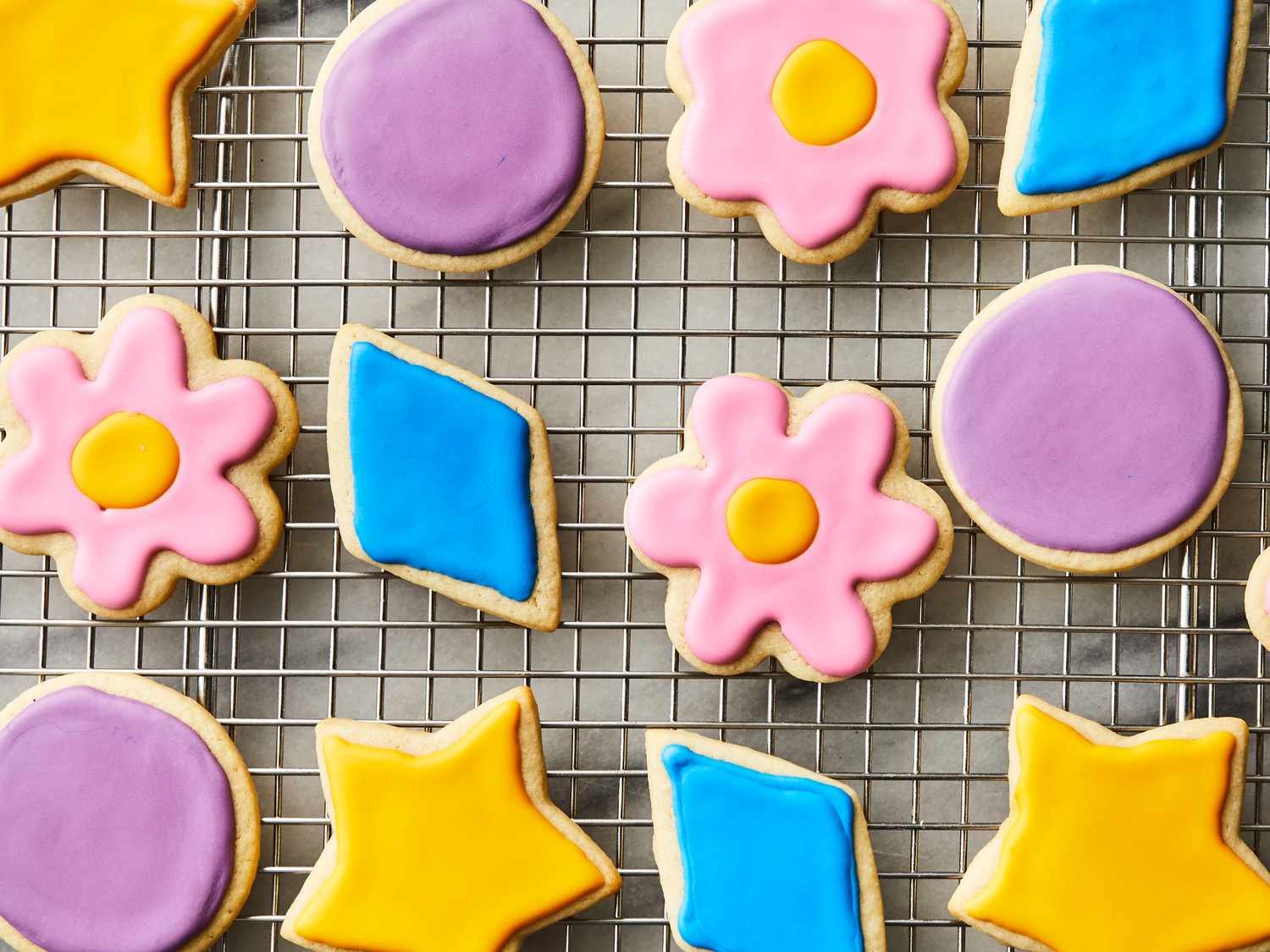
A light dusting of powdered sugar can work well on soft cookies. Melted chocolate can be drizzled across the top after baking. Chopped nuts can add texture and visual interest. For celebrations, simple icing and colorful decorations can transform ordinary cookies into attractive treats.
The decoration should match the occasion. Simple designs may be best for everyday snacks, while more detailed decorations can be suitable for birthdays, holidays, weddings, or family celebrations.
Do Not Ignore Baking Time
One of the easiest ways to ruin a good batch of cookies is to leave them in the oven too long.
Cookies often continue cooking slightly after they are removed from the oven. For soft and chewy cookies, the center may still look a little underdone when the tray comes out. The cookies can firm up as they cool.
Oven temperatures can also vary from one kitchen to another. A recipe may recommend a specific temperature, but an oven thermometer can help confirm whether the actual temperature is accurate.
It is also useful to bake a small test batch when trying a new recipe. This gives you a chance to adjust the baking time before making the entire batch.
Store Cookies the Right Way
Fresh cookies taste best when they are stored properly. Once they have cooled completely, place them in an airtight container. This helps protect them from air and moisture changes.
Different cookies may need different storage methods. Soft cookies should be protected from drying out, while crisp cookies should be kept away from excess moisture.
If you are preparing cookies several days in advance, freezing can be a practical option. Some cookie doughs can be portioned into individual pieces and frozen before baking. This makes it possible to bake smaller batches whenever fresh cookies are wanted.
Always allow baked cookies to cool fully before placing them in a sealed container. Trapping heat inside the container can create unwanted moisture and affect the texture.
Make Baking a Family Activity
Cookies can also turn baking into a simple family activity. Children can help measure ingredients, mix dough, shape cookies, or decorate cooled treats. Younger children should have adult supervision, especially around ovens and hot baking trays.
Family baking does not need to produce perfect cookies. The experience itself can be valuable. Measuring ingredients together, choosing flavors, and decorating cookies can create memories that last much longer than the treats themselves.
This is one reason baking remains popular across generations. It combines creativity with a practical activity that people can enjoy together.
Choose the Right Cookies for the Occasion
Different occasions call for different types of cookies. For a casual family snack, simple chocolate chip or oatmeal cookies may be enough. For a party, colorful decorated cookies can make the dessert table more attractive.
Gift giving is another opportunity to think creatively. A selection of different cookies can be placed in a box with simple paper liners or individual wrapping. Adding a handwritten note can make the gift feel more personal.
For larger events, consistency becomes especially important. Cookies should be similar in size so they bake evenly and look organized when served.
Keep Learning From Every Batch
Even experienced bakers make mistakes. A cookie may spread too much, become too dry, or develop a different texture than expected. Instead of seeing this as a failure, treat each batch as a learning opportunity.
Take note of what changed. Did the dough sit at room temperature for too long? Was the butter too soft? Were the cookies placed too close together? Was the oven hotter than expected?
Small observations can help improve future batches. Over time, bakers develop a better understanding of how ingredients, temperature, mixing, and baking time work together.
Final Thoughts
Homemade cookies do not need complicated recipes or expensive equipment to be enjoyable. Fresh ingredients, careful measurements, proper dough handling, and suitable baking time can make a major difference.
The best part of baking is that there is always something new to try. A familiar recipe can be changed with a different flavor, topping, filling, or presentation. Whether you are preparing cookies for your family, making a thoughtful gift, or simply enjoying a quiet afternoon in the kitchen, the process can be just as rewarding as the final result.
Good cookies are more than a dessert. They can bring people together, encourage creativity, and turn an ordinary day into something a little sweeter.