

Office Flower Arrangements: Tips for Choosing Colours, Styles and Displays
A well-designed office should feel professional, welcoming and comfortable for both employees and visitors. While furniture, lighting and artwork all contribute to the appearance of a workplace, flowers can add an extra layer of colour and visual interest. Carefully selected Office Flower Arrangements can enhance reception areas, meeting rooms, desks and shared spaces without making the environment feel overly decorative.
Choosing the right floral display involves more than simply picking attractive flowers. Colour, arrangement style, size, placement and maintenance requirements should all be considered. Whether you are decorating a small office or a large corporate workplace, the right approach can help create a cohesive and polished interior.
Why Flowers Work Well in Office Interiors
Flowers can introduce natural-looking colour and texture into environments that may otherwise contain a lot of furniture, technology and neutral surfaces. A thoughtfully selected arrangement can become a subtle focal point while complementing the existing office design.
Flowers can be particularly useful in areas such as:
- Reception desks and entrance areas
- Meeting and conference rooms
- Individual workstations
- Breakout and lounge spaces
- Waiting areas
- Shelving and side tables
The key is to select displays that suit the purpose and character of each area.
See also: Mortgage Broker Expertise to Help You Navigate Complex Home Loan Choices
Choosing the Right Colours
Colour is one of the first things to consider when selecting Office Flower Arrangements. The colours should work with the existing interior rather than compete with it.
For offices with neutral walls and furniture, flowers in soft or vibrant shades can introduce visual interest. If the workplace already has strong colours, a more restrained floral palette may create better balance.
Consider the Office Colour Scheme
Look at the main colours already present in the workplace, including:
- Walls and flooring
- Furniture
- Curtains and blinds
- Company décor
- Artwork
- Reception and signage areas
Neutral flowers such as white and cream can create a clean appearance, while soft pinks, blues and greens can provide a more relaxed feel. Deeper shades can be used as accents where a stronger visual statement is appropriate.
Select a Style That Matches the Workplace
Different office environments call for different floral styles. A creative studio may suit colourful and unusual arrangements, while a traditional professional office may benefit from more structured designs.
Modern and Minimalist Displays
Minimalist arrangements typically use fewer flowers and a simple structure. They can work particularly well in contemporary offices where clean lines and uncluttered surfaces are important.
Classic Floral Arrangements
Traditional arrangements can include familiar flowers such as roses, lilies or hydrangeas. These can provide a timeless appearance suitable for reception areas and formal meeting spaces.
Natural and Organic Styles
Looser arrangements that incorporate greenery and varied textures can create a more natural appearance. These designs can work well in breakout areas and employee lounges.
Think About the Size of the Arrangement
The size of your floral display should be proportional to the area where it will be placed. A large arrangement may create an impressive focal point in a spacious reception area but could become impractical on a small desk.
When selecting a size, consider:
- Available surface space
- Height of surrounding furniture
- Visibility from different angles
- Guest and employee movement
- The purpose of the area
For meeting rooms, avoid arrangements that block people’s line of sight across the table. In reception areas, larger displays may be suitable if there is enough room around the arrangement.
Choose Flowers According to the Office Environment
The type of flower can influence the overall appearance of the workplace. Some flowers have a bold visual presence, while others provide a more understated decorative touch.
Roses can create a classic appearance, orchids can offer a sophisticated modern look, and greenery can provide a natural feel. Mixed arrangements can combine several textures and shapes to create more visual depth.
For workplaces where regular maintenance is difficult, artificial flowers can also be considered. High-quality artificial blooms can provide consistent colour and shape without watering or frequent replacement.
Consider the Vase and Container
The container is an important part of the overall display. Even a carefully designed floral arrangement can look out of place if the vase does not complement the office interior.
Match the Container to the Décor
Glass vases can work well in contemporary spaces, while ceramic or textured containers may suit warmer interiors. Neutral containers can allow colourful flowers to remain the main focus.
Also consider the practical side of the container. It should be stable, appropriately sized and easy to clean, particularly when placed in busy areas.
Create a Consistent Look Throughout the Office
Using completely different floral styles in every room can make an office feel visually disconnected. Instead, consider establishing a common design theme.
You do not need identical arrangements throughout the workplace. Instead, repeat certain elements such as:
- Similar colour combinations
- Matching or complementary containers
- Consistent greenery
- Related floral styles
- Similar proportions
For example, a reception arrangement could be larger and more elaborate, while smaller versions of the same colour palette could be used in meeting rooms and breakout spaces.
Use Flowers Strategically in Reception Areas
The reception area often creates the first impression of a workplace. A carefully positioned floral display can make this space feel more welcoming while maintaining a professional appearance.
A medium or large arrangement can be positioned on a reception desk, side table or dedicated display stand. Avoid placing flowers where they obstruct signage, computer screens or visitor movement.
Make the Display Part of the Interior
Rather than treating flowers as an isolated decoration, coordinate them with the surrounding space. The arrangement could echo colours found in artwork, furniture or other decorative elements.
This approach makes the floral display feel like an intentional part of the interior design.
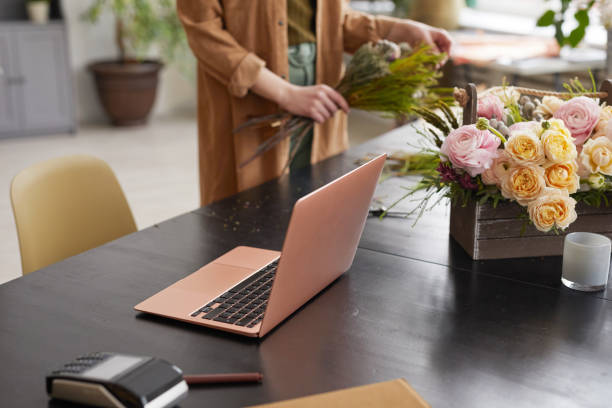
Consider Professional Floral Services
For larger workplaces, professional assistance can make it easier to maintain a consistent appearance. Floral professionals can help with flower selection, arrangement design, installation and ongoing maintenance.
Businesses exploring opportunities within the floral industry may also encounter different operating models, including a flower business franchise. Understanding how such models operate can be useful for entrepreneurs considering a business connected to floral design and décor.
When working with a floral service provider, clarify what is included in the arrangement service and whether delivery, installation, replacement and maintenance are available.
Think About Maintenance Requirements
A beautiful office display needs to remain presentable over time. Fresh flowers may require regular watering, trimming and replacement, while artificial arrangements generally require occasional dusting and cleaning.
Before selecting your Office Flower Arrangements, consider who will be responsible for maintaining them and how frequently they need attention.
For busy workplaces, practical options can include:
- Low-maintenance flower varieties
- Artificial floral arrangements
- Simple displays that are easy to clean
- Arrangements positioned away from high-traffic areas
- Scheduled professional maintenance
Choosing an appropriate maintenance routine can help keep the workplace looking polished.
Final Thoughts
Selecting suitable Office Flower Arrangements involves balancing aesthetics with practicality. Colour, style, scale, placement and maintenance all influence how effectively flowers complement a professional environment.
Start by assessing your existing office décor and deciding what you want the floral displays to achieve. A subtle arrangement may be ideal for a meeting room, while a more noticeable display could enhance a reception area.
With thoughtful planning, flowers can add colour, texture and character to a workplace while maintaining a professional atmosphere. Whether you choose fresh blooms or artificial alternatives, coordinated displays can become an effective part of your overall office décor strategy.